How to Find Your Body Shape: 4-Step Measurement & Fit Guide
Learn how to find your body shape in 5 minutes with 4 simple measurements, exact ratio thresholds for 5 body types, and flattering styling tips.
Key Takeaways
- Knowing how to find your body shape comes down to ratios—not weight or clothing size: compare your shoulders, bust, natural waist, and hips with a soft measuring tape.
- The 5 core silhouettes are Hourglass, Pear (Triangle), Inverted Triangle, Rectangle, and Apple (Round)—each defined by clear 5%–25% proportion thresholds.
- Once you know your shape, test garment volume and 3:7 proportion in Outfit Matcher and preview dresses, trousers, or blazers directly on your own photo in AI Clothes Changer.
Standing in front of a mirror guessing whether you are an hourglass or a pear rarely works—eye perception is easily skewed by posture and whatever outfit you happen to be wearing. Learning how to find your body shape accurately takes less than five minutes with a soft tailor's tape and simple ratio math.
Understanding your frame isn't about rigid rules or hiding parts of yourself. It gives you a practical blueprint for neckline cuts, trouser rises, and jacket lengths—and lets you verify new styles visually on your own photo using AI Clothes Changer before you spend a dollar.
1. Step 1: Take 4 Accurate Body Measurements
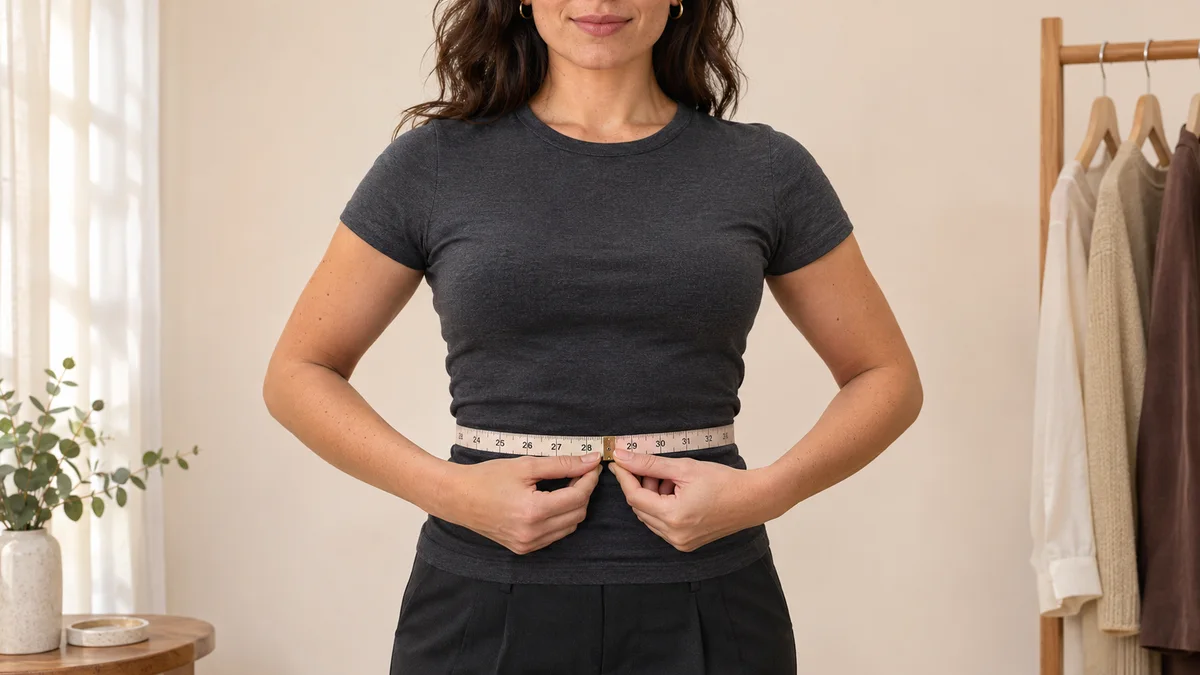
Stand naturally in front of a mirror wearing fitted base layers (or thin underwear), keep your feet together, and breathe normally without sucking in your stomach. Keep the measuring tape parallel to the floor for all four numbers:
- Shoulders: Wrap the tape around the widest outer points of your shoulders (just below the collarbone line, keeping arms relaxed at your sides). Having a friend help makes this easiest.
- Bust: Measure around the fullest part of your chest, keeping the tape level across your shoulder blades in the back.
- Natural Waist: Bend slightly to one side to find the natural crease above your belly button—that narrowest point is your true waist, not where low-rise jeans sit.
- Hips: Stand with heels together and measure around the fullest part of your seat and upper hips (typically 7–9 inches below the waist).
2. Step 2: Match Your Ratios to the 5 Body Shapes
Forget clothing size tags (S/M/L). Look only at how your shoulders/bust, waist, and hips relate to one another using the ratio thresholds below:
| Body Shape | Key Measurement Rule | Visual Proportion Signature | Primary Styling Goal |
|---|---|---|---|
| Hourglass | Shoulders ≈ Hips (within 5%), AND Waist ≥ 25% smaller than Bust & Hips | Balanced upper and lower frame with a sharply defined curve at the waist | Follow natural waist definition without hiding it under boxy layers |
| Pear (Triangle) | Hips > Shoulders & Bust by more than 5% | Delicate shoulders and defined waist tapering outward to fuller hips/thighs | Add visual structure up top and clean vertical lines below |
| Inverted Triangle | Shoulders or Bust > Hips by more than 5% | Athletic or broad shoulder line tapering cleanly to narrower hips | Soften shoulder width and add balanced volume to the lower half |
| Rectangle (Straight) | Shoulders, Bust & Hips within 5%, AND Waist < 25% smaller than Bust/Hips | Streamlined, athletic vertical column with subtle waist curve | Create waist contour or lean into crisp architectural tailoring |
| Apple (Round) | Waist ≥ Bust or Hips, or fullness concentrated around the midsection | Fuller upper torso and softer midriff paired with slimmer legs/hips | Elongate the torso with open necklines and show off streamlined legs |
(Tip: Many people sit slightly between two shapes—for example, a softly defined "athletic hourglass" or "spoon" variation. Use the closest dominant ratio as your starting point.)
3. Best Silhouettes & Wardrobe Pieces for Every Body Shape
Once you identify your silhouette, choosing flattering tops, bottoms, and dresses becomes instant:
- Hourglass: Wrap dresses, belted trench coats, fitted ribbed knits, and high-rise straight or bootcut trousers keep upper and lower halves aligned. Avoid stiff oversized tees paired with wide pants that erase your waist completely—explore complete hourglass body shape outfits.
- Pear (Triangle): Draw eyes upward with boat necks, square necklines, puff or structured-shoulder blazers, and lighter-colored tops, paired with dark high-waisted A-line skirts or fluid wide-leg trousers. Looking for flattering upper-body color pops? Browse our colors that go with green clothes palette guide.
- Inverted Triangle: Balance strong shoulders with V-necks, scoop necks, raglan sleeves, and flowy bottoms—think pleated midi skirts, wide-leg trousers, and cargo or A-line cuts. Skip heavy shoulder pads or wide boat-neck tops.
- Rectangle: Build dimension through cropped jackets, French-tucked blouses, belted shirt dresses, peplum hems, and high-waist wide-leg pants that carve out a crisp
3:7upper-to-lower silhouette—or browse our curated dresses for rectangle body shape guide. - Apple (Round): Elongate the center line with V-neck blouses, empire-waist or bias-cut midi dresses, open longline blazers, and slim cigarette trousers or tailored shorts that highlight slender calves and ankles.
4. Styling by Proportion (Not Size Tags)
Regardless of which shape you measured, two universal rules make almost every outfit look intentional:
- Maintain upper/lower contrast: If your bottoms are relaxed (wide-leg trousers or flowing midi skirts), keep your top fitted or cropped—and vice versa.
- Anchor the
3:7ratio: Raising the visual waistline slightly (via high-rise waists or a front French tuck) lengthens your legs immediately.
You can test how any top, bottom, and shoe combination scores on silhouette fit and 3:7 proportion using our free interactive Outfit Matcher.
5. Virtually Preview Cuts on Your Real Body Shape
Charts and measurement formulas give you the theory—seeing the cut on your own frame removes the final doubt. Before ordering a new dress, blazer, or pair of wide-leg jeans:
- Take a clean full-body or mirror photo in natural light.
- Open AI Clothes Changer (or the personal fitting room at AI Outfit Changer) and upload the garment photo or online store screenshot.
- Preview how necklines, sleeve lengths, and waistlines actually drape on your real proportions—free without signing in, and strictly private.
Frequently Asked Questions
What 4 measurements do I need to find my body shape?
Measure four areas horizontally with a flexible tape over light clothing: (1) shoulders around the widest outer edges, (2) bust at the fullest point, (3) natural waist at the narrowest crease, and (4) hips around the fullest part of the seat.
What is the difference between pear and hourglass body shapes?
Both have a clearly defined waist (usually at least 25% smaller than hips), but an hourglass has balanced shoulders/bust and hips within about 5% of each other, while a pear (triangle) body shape has hips more than 5% wider than the shoulders and bust.
Can your body shape change over time or is it fixed by bone structure?
Your underlying skeletal frame stays constant, but weight shifts, strength training, and posture can change shoulder-to-waist-to-hip ratios. Re-measuring once a year ensures your tailored cuts and proportions stay accurate.
How do I test which silhouettes actually flatter my body shape before shopping?
Use the Outfit Matcher to score upper-to-lower fit contrast and 3:7 vertical proportion, then upload a full-body photo and garment screenshot to AI Clothes Changer or AI Outfit Changer to preview real drape on your exact frame.
FREE OUTFIT SCORER & VIRTUAL TRY-ON
Score Your Outfit Palette & Preview It on Yourself
Test color harmony and silhouette balance in Outfit Matcher, or try outfits directly on your own photo in AI Outfit Changer and AI Clothes Changer free without signing in.
More Styling & Virtual Try-On Guides
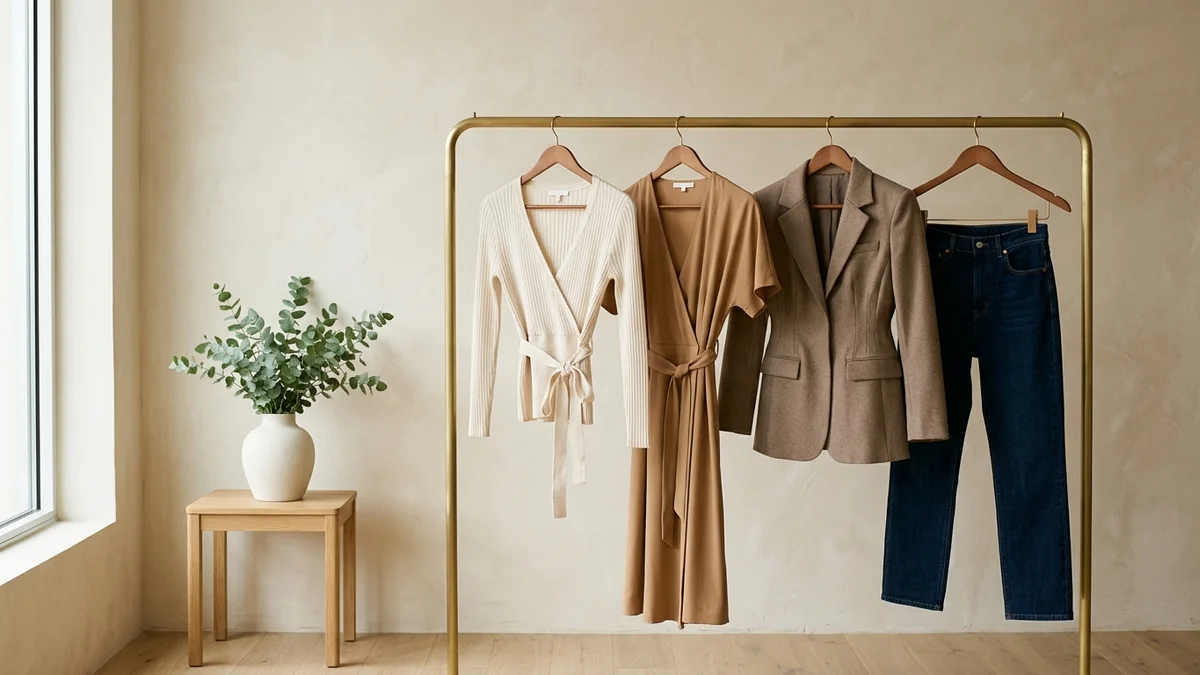
Hourglass Body Shape Outfits: 10 Flattering Formulas & Cuts
Discover the best hourglass body shape outfits—from wrap tops and high-rise trousers to belted coats—plus cuts to avoid and AI try-on tips.
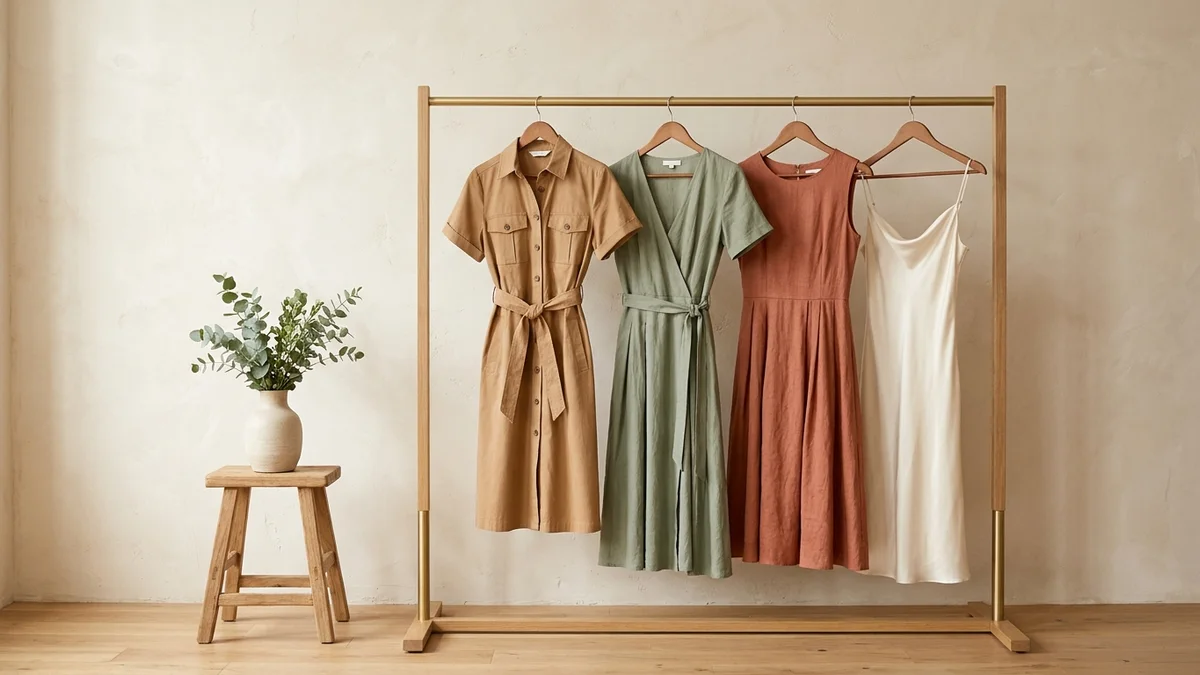
Dresses for Rectangle Body Shape: 7 Curve-Building Cuts
Find the most flattering dresses for rectangle body shape frames—wrap, belted shirt, fit-and-flare, and ruched cuts—plus styles to avoid.
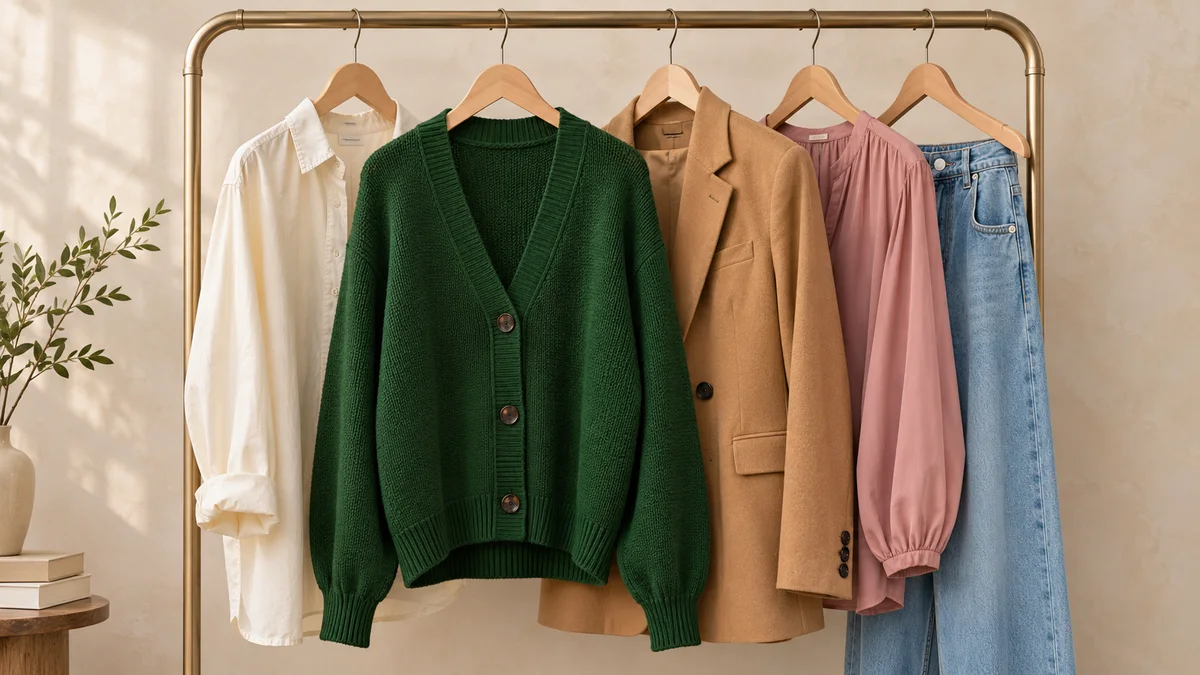
Colors That Go With Green Clothes: 12 Outfit Pairings
Wondering what colors go with green clothes? Explore 12 foolproof pairings for olive, sage, emerald, and forest green plus virtual try-on tips.